
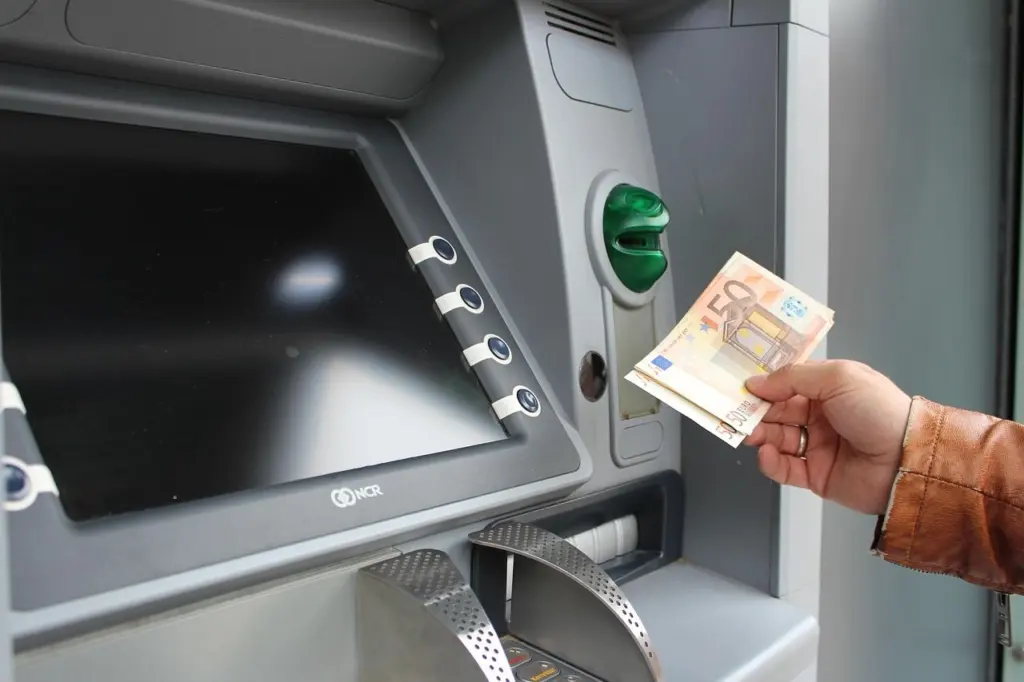
Wondering what a good bank customer experience looks like? In a recent U.S. survey, customers put helpful service and data security ahead of interest rates and rewards.
This guide is part of our wider look at customer service culture, where everyday service habits shape how people feel about every channel.
| Item | Value |
|---|---|
| Survey sample | 1,018 U.S. consumers |
| Customers who bank mostly in person | 15% |
| Customers ranking customer service and support as a top factor | 36% |
| Customers ranking data security as a top factor | 36% |
| Highest switching intent (Bank of America customers) | 45% |
The figures come from the Sogolytics banking study, published as a press release by Banking Dive. They reflect one survey and can change, so check the source before you rely on them.
What the Sogolytics banking study measured
The Sogolytics CX Rankings: U.S. Banking 2026 compares the five largest U.S. banks: Bank of America, Citibank, JPMorgan Chase, Wells Fargo and U.S. Bank. It rests on a survey of 1,018 U.S. consumers who named one of those banks as their primary institution for everyday banking, as the release explains.
Participants rated their bank on these dimensions:
- Ease and speed of everyday tasks
- Digital self-service and branch interactions
- Customer effort
- Trust, satisfaction and loyalty
Sogolytics describes the work as an independent study in which none of the banks took part in design, analysis or review. It is still a single vendor’s survey of five institutions, so treat the rankings as a snapshot rather than a verdict on any bank.
Digital banking is now the default
Half of U.S. banking customers now primarily bank digitally, rarely visiting branches, and only 15% report banking mostly in person, according to the study. At every bank studied, the split looked much the same.
Age matters less than you might guess. Even among customers 65 and older, 46% bank mostly through digital channels, though branch use does rise with age.
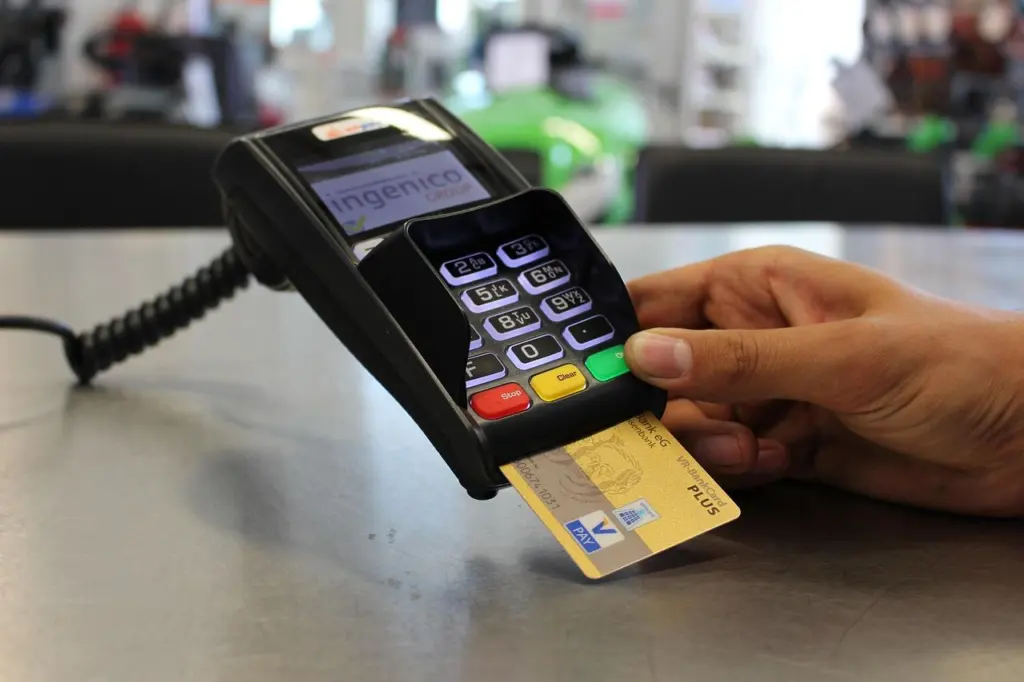
A third group sits in the middle. About one-third of customers use a mix of digital and branch services, so a bank cannot treat either channel as optional.
Where the largest banks lead
JPMorgan Chase earned the top position in most of the experience dimensions measured. The release highlights these results:
- JPMorgan Chase: 87% rated mobile app tasks easy or very easy, and 82% rated them fast or very fast.
- JPMorgan Chase: 36% gave a perfect 10 when asked whether they would recommend the bank.
- Citibank: first for website ease at 80% and ATM speed at 76%.
- Wells Fargo: the highest share of customers saying banking takes little effort.
The study notes that the gap between top and lower performers on any single metric is narrower than many might expect. Competing on experience is therefore a game of small margins.
Trust is strong, but not uniform
Most customers at all five banks feel confident with digital tools and trust their bank to protect their data. JPMorgan Chase led on digital tool confidence at 89%, while Citibank and Wells Fargo tied at 84% for data protection trust, per the study.
Bank of America scored lowest on both, at 79% and 78%. Answers were more mixed on whether a bank acts in the customer’s best interest, where U.S. Bank led at 75% and Wells Fargo followed at 74%. Trust in the tools, in other words, runs ahead of trust in the institution.
Why are customers open to switching?
Advocacy is high, but loyalty is conditional. Nearly half of customers give recommendation scores of 9 or 10, yet about one-third say they would likely or very likely switch for a noticeably better experience, the release reports.
Switching intent by bank:
- Bank of America: 45% would consider switching, the highest of the five.
- JPMorgan Chase: 35% are open to switching despite leading on most metrics.
- U.S. Bank: 29%, the lowest.
Even the strongest performer cannot assume customers will stay. A good score today does not lock in the relationship.
What customers want when choosing a bank
Asked what matters most, customers ranked these factors highest:
- Customer service and support: 36%
- Security of personal and financial data: 36%
- Easy ATM access: 34%
- Convenient branch locations: 28%
- A strong mobile app and digital tools: 27%
Interest rates, rewards programs and personalized offers landed at the bottom of the list. Sogolytics reads this as service and security outweighing perks when people judge a banking relationship, as the study sets out.
Support is not only an app feature, and our guide to phone customer service skills covers the spoken side of helping customers. Banks are also not alone in serving people mostly through screens, and the same challenge for online shops is covered in our notes on ecommerce customer service best practices.
Frequently asked questions
What do customers rank first when picking a bank?
Show answer
Helpful support and protected data share the top spot, each chosen by 36% of respondents in the Sogolytics survey. Financial perks came last.
Has the branch become irrelevant?
Show answer
Not entirely. Branch use climbs with age, and in-branch ease and speed were areas where JPMorgan Chase came out on top in the study.
Which bank’s customers are most likely to leave?
Show answer
Bank of America customers showed the strongest switching intent and U.S. Bank customers the weakest, according to the release. Keep in mind that it covers only five institutions.
Did the banks have a hand in the research?
Show answer
Sogolytics states that no bank was involved in the design, execution, analysis or review, and that none provided funding or influence over the findings. You can read that statement in the published release.